Ergonomics, Setup & Health
Research-backed guidance on posture, chair adjustments, and body-specific fit to maximize comfort, performance, and long-term wellbeing.
Top Articles
Ergonomics, Setup & Health
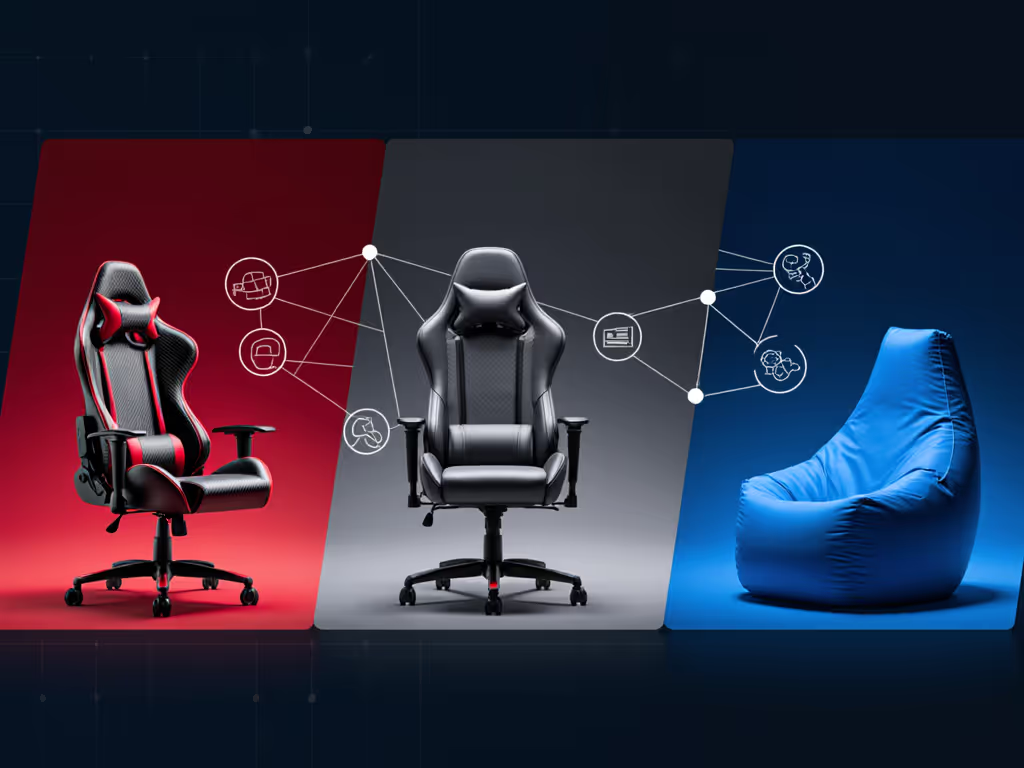
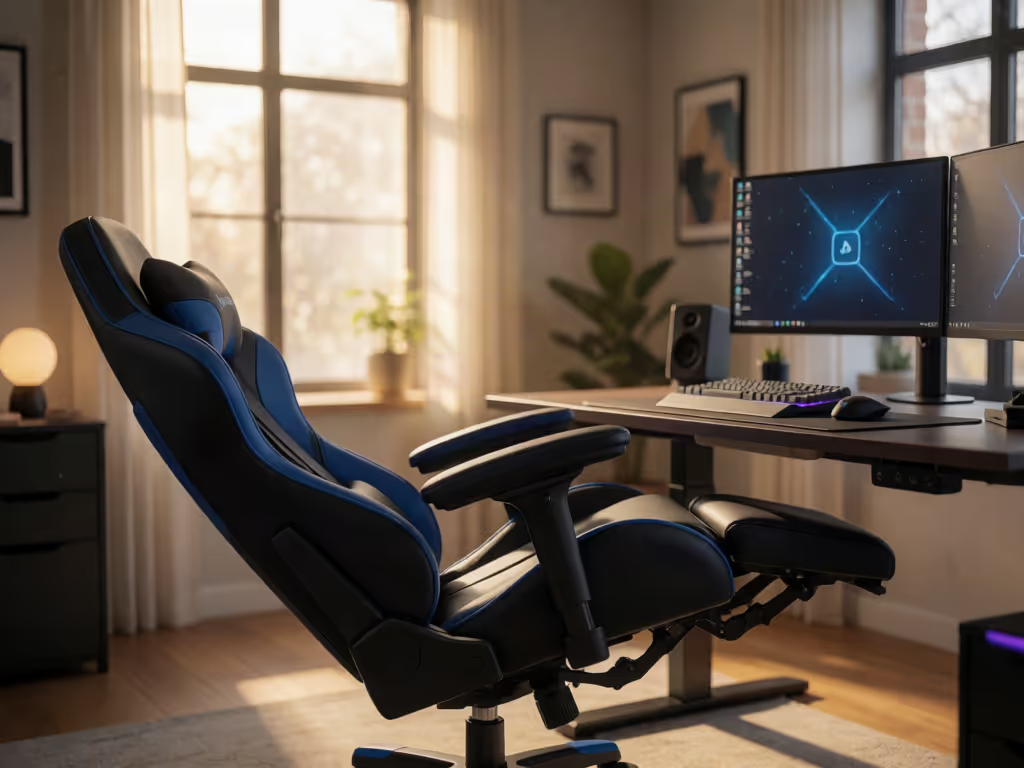
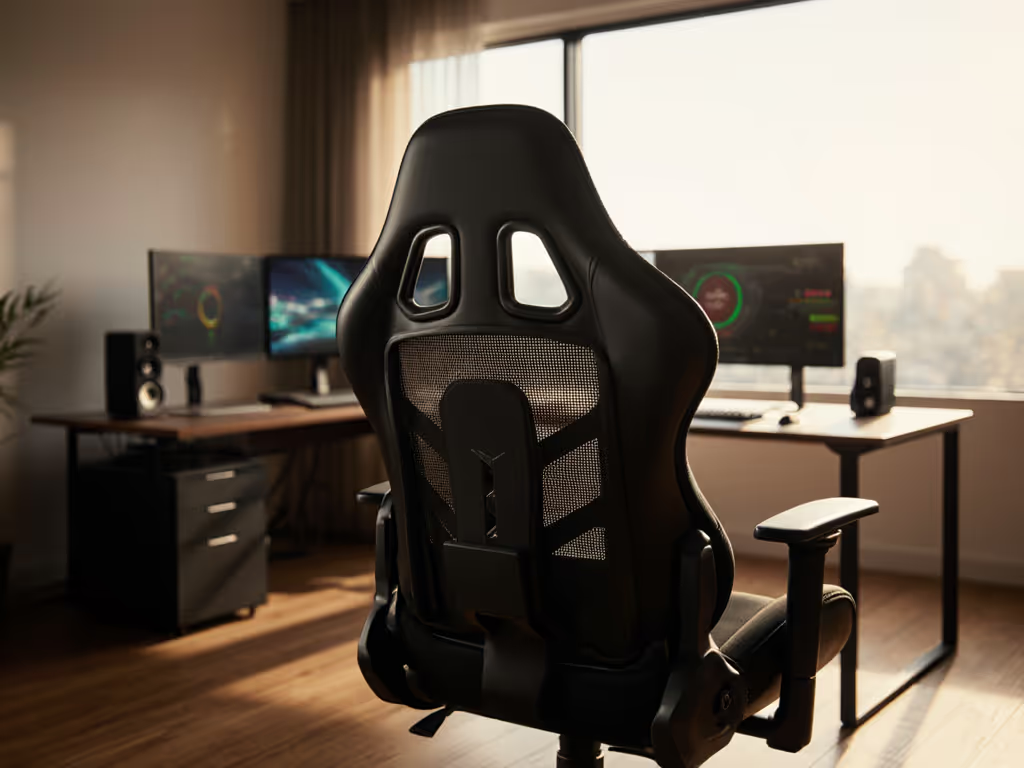
Gaming Chair Psychology: Design for Peak Performance
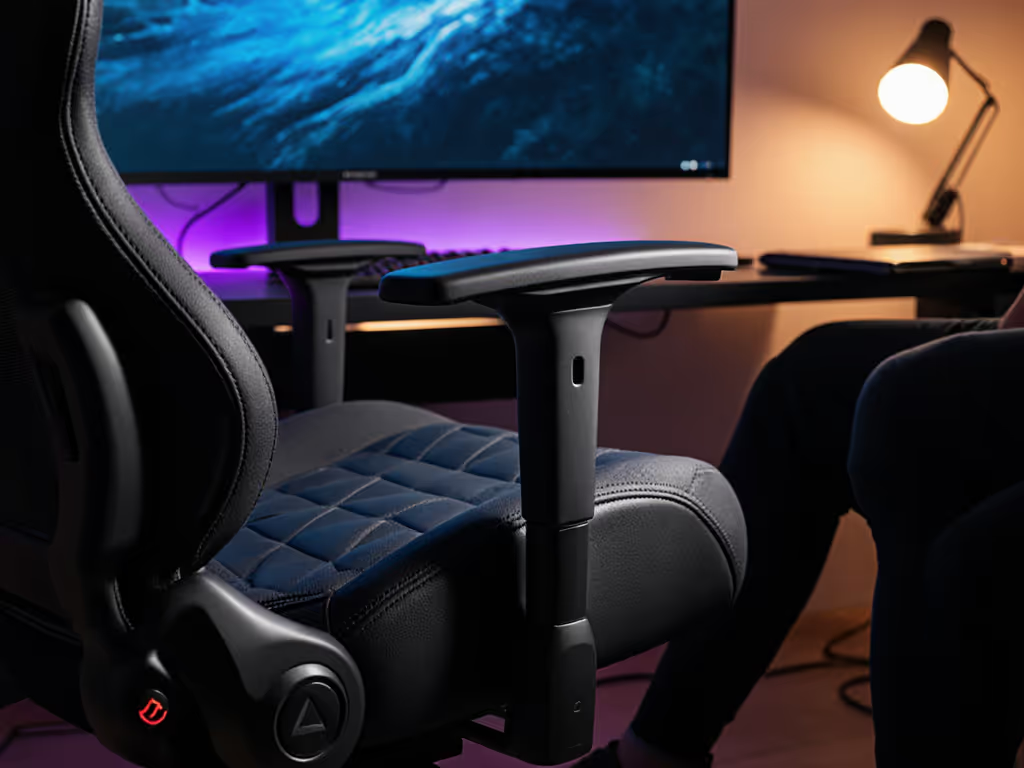
Turn a chair into a performance tool with precise, measurable adjustments to seat height, armrests, and lumbar that cut strain and stabilize aim under pressure. Focus on ergonomics over aesthetics to reduce fatigue, improve decision speed, and maintain consistency deep into long sessions.
Ergonomics, Setup & Health
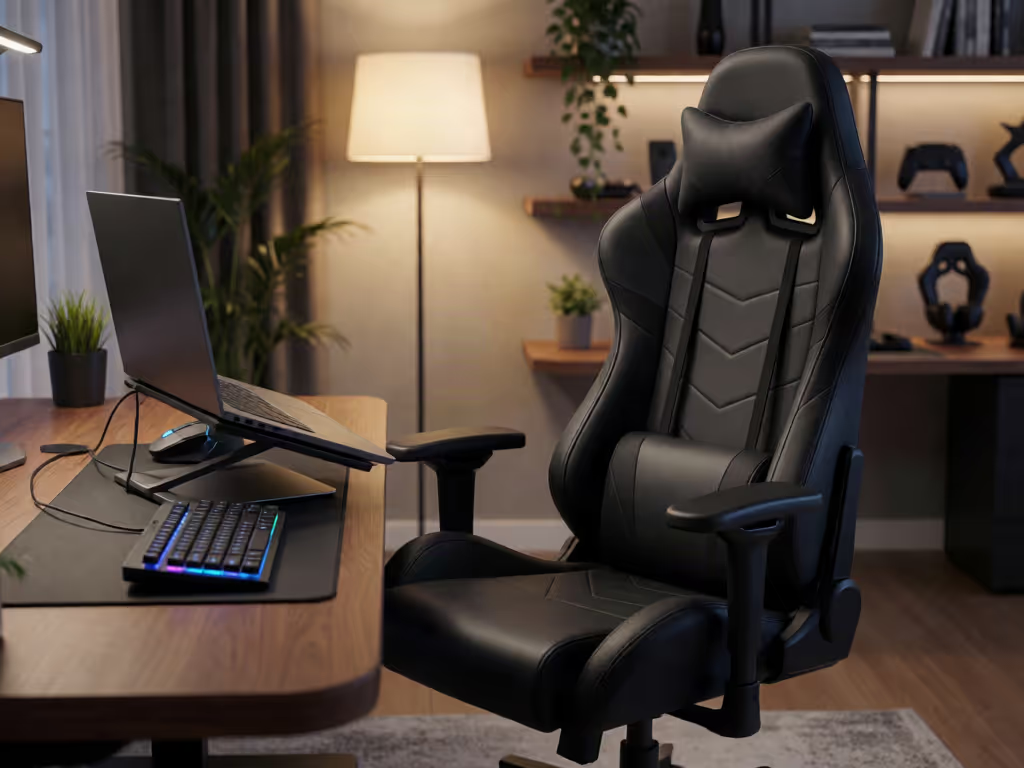
Gaming Chair for Back Pain: Lasting Relief Through Design
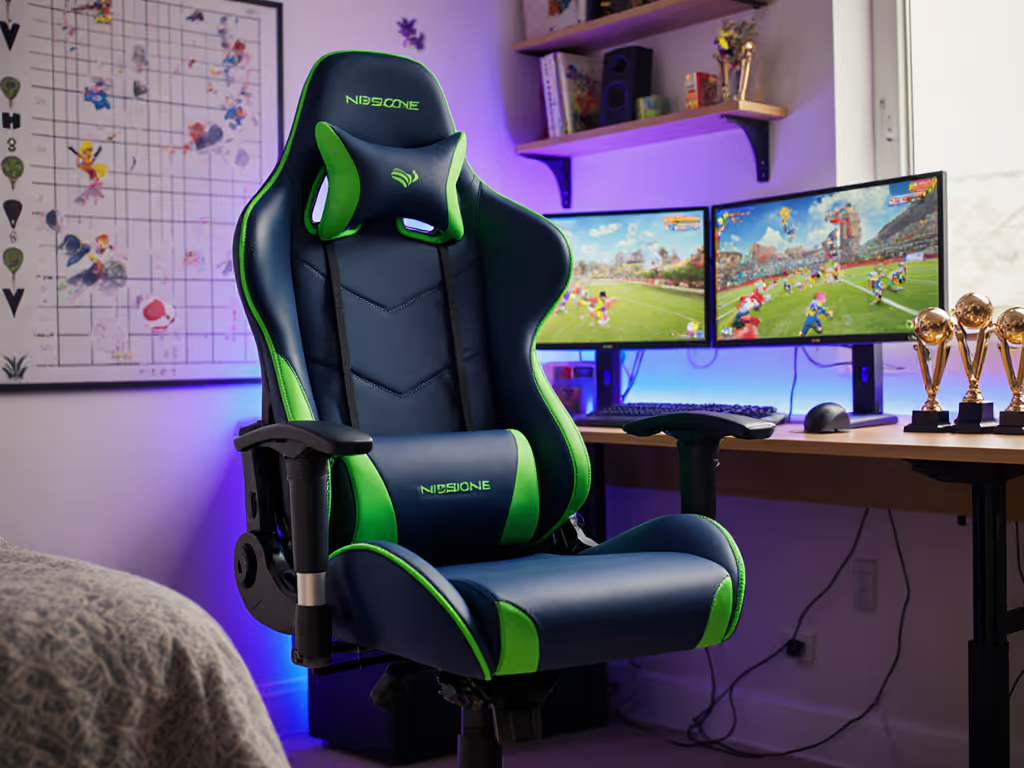
Choose a chair that protects your back by focusing on engineering, not aesthetics - think Class-4 cylinders, adjustable seat depth, high-density foam, breathable mesh, and modular parts with honest warranties. Use cost-per-hour and durability checks to get more comfortable hours for less.
Ergonomics, Setup & Health
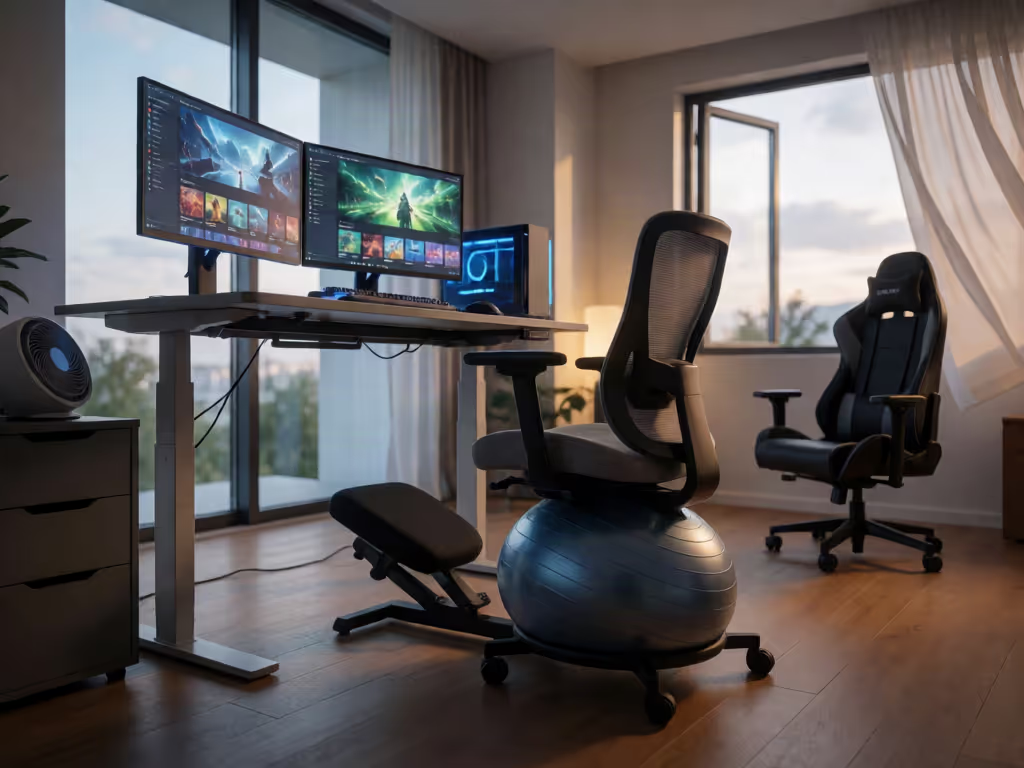
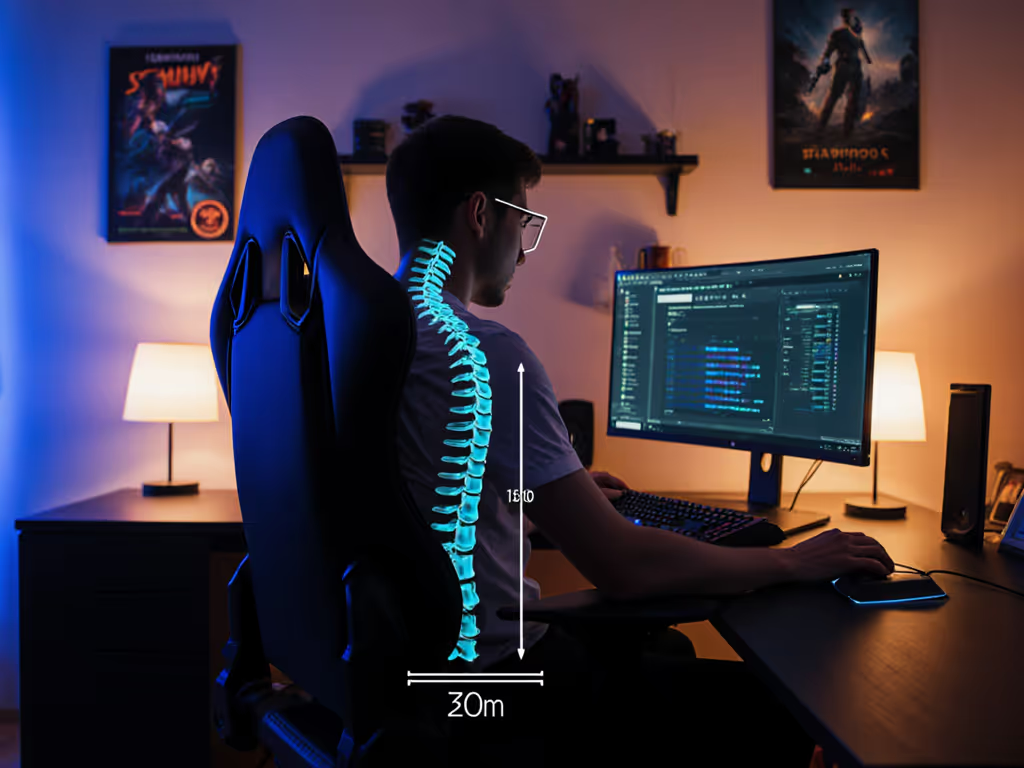
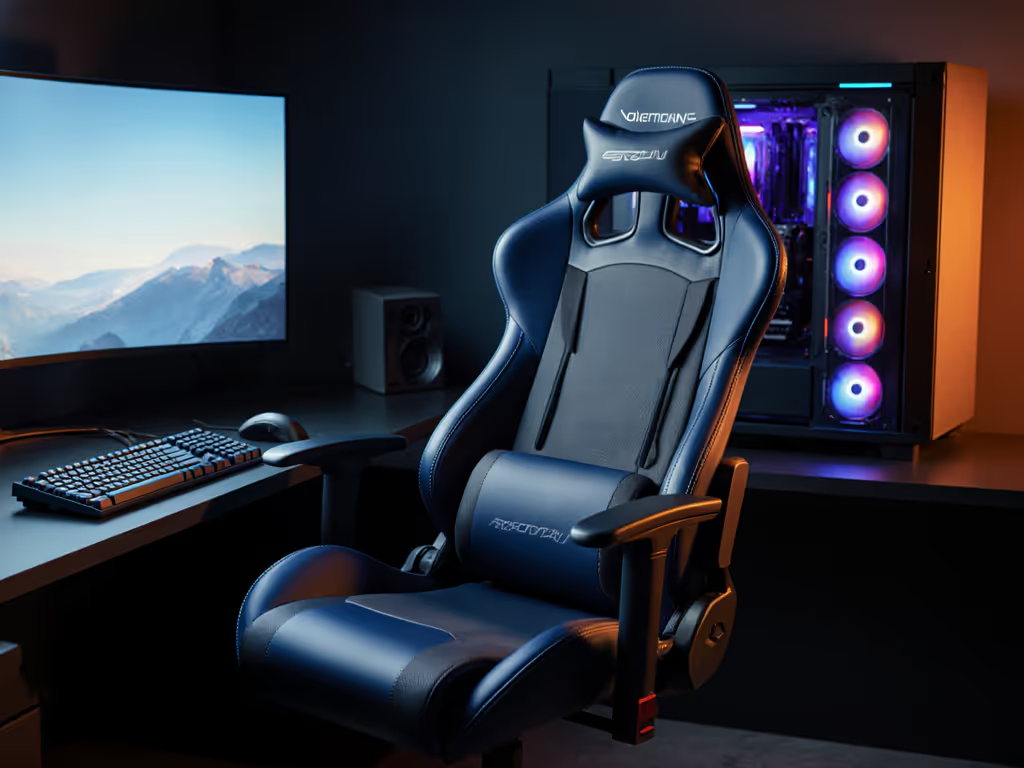
Gaming Chair Ergonomics: Prevent Pain With Proper Setup
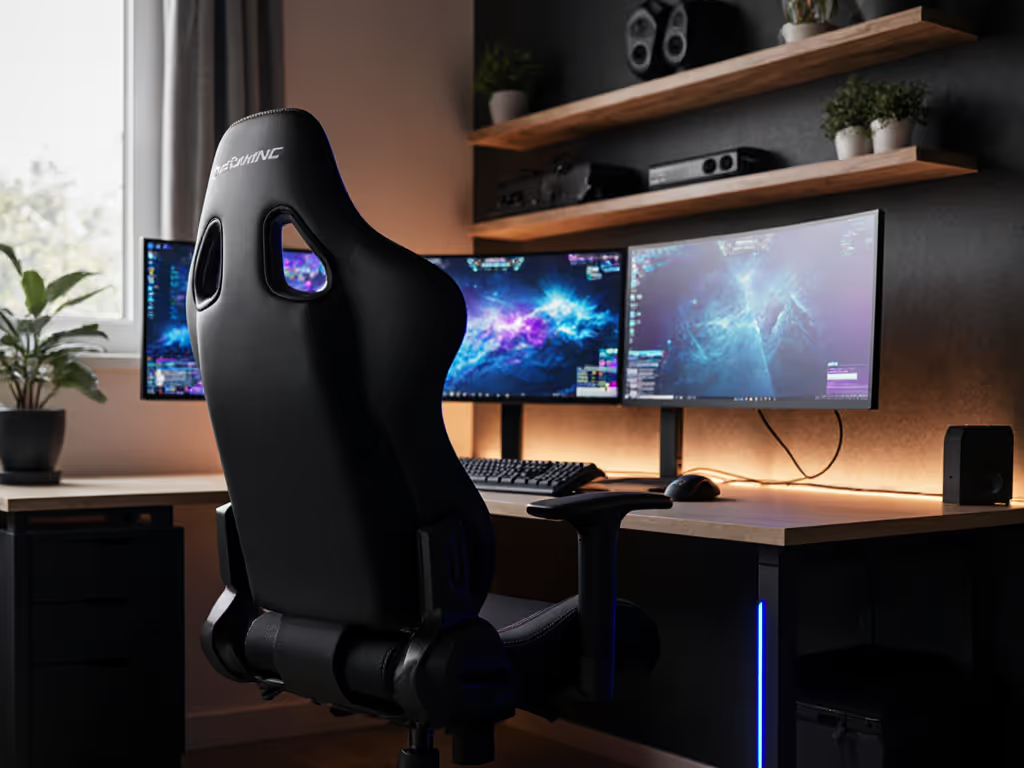
Learn to evaluate chairs by the metrics that matter (high-density foam, durable upholstery, Class 4 lifts) and follow a practical setup - height, lumbar, armrests, dynamic recline - to prevent pain, extend lifespan, and lower cost per hour.
Ergonomics, Setup & Health
Gaming Chair Fit for Big and Tall Bodies
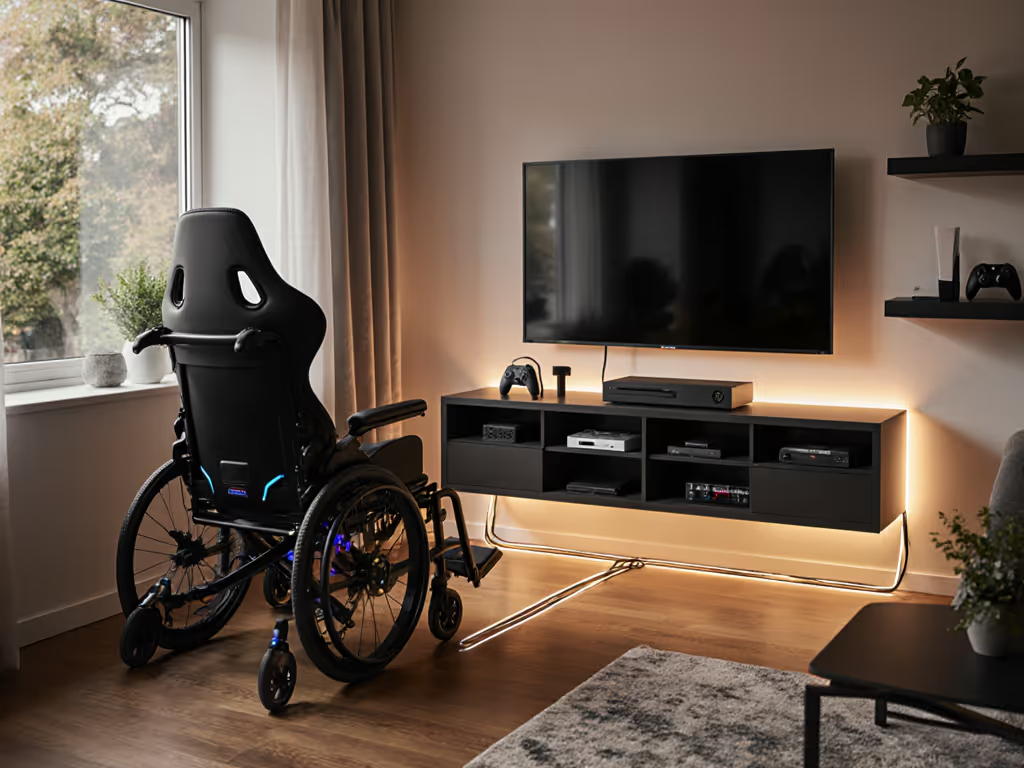
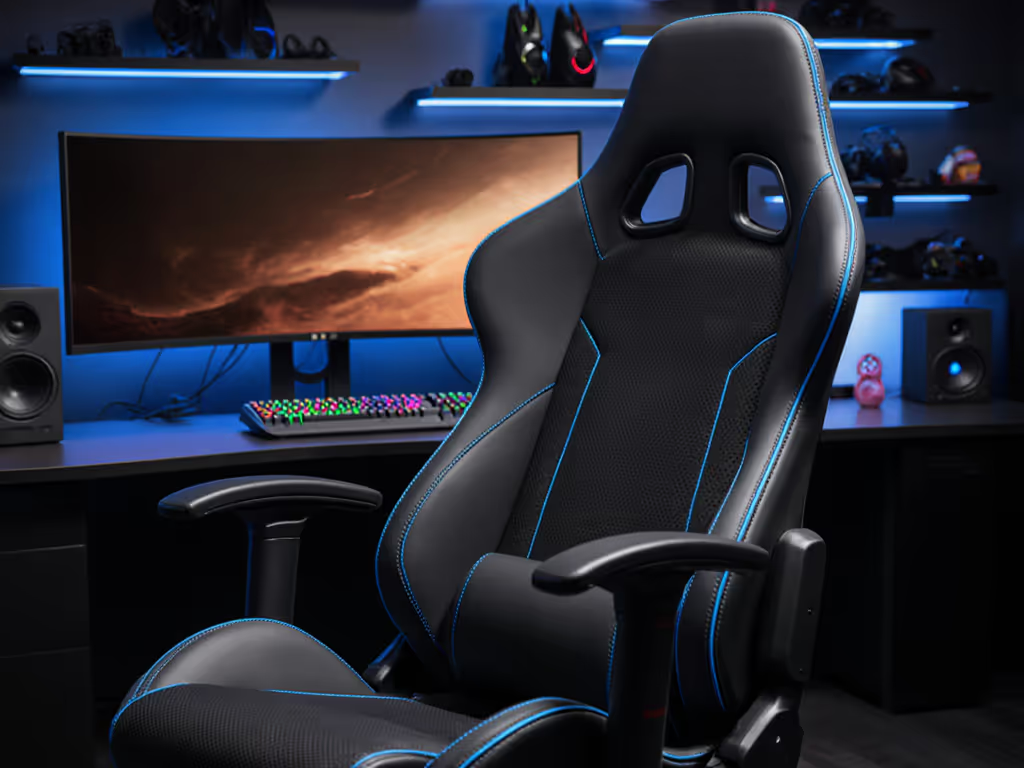
Use pressure-mapping insights to choose and adjust a chair that truly fits bigger and taller frames: prioritize flat seat geometry, precise seat-depth and lumbar alignment, and breathable layers to cut hotspots and heat buildup. Measure first, demand thermal proof, and sit longer with less strain.
Ergonomics, Setup & Health
Gaming Chair Ergonomics: Spinal Alignment Guide
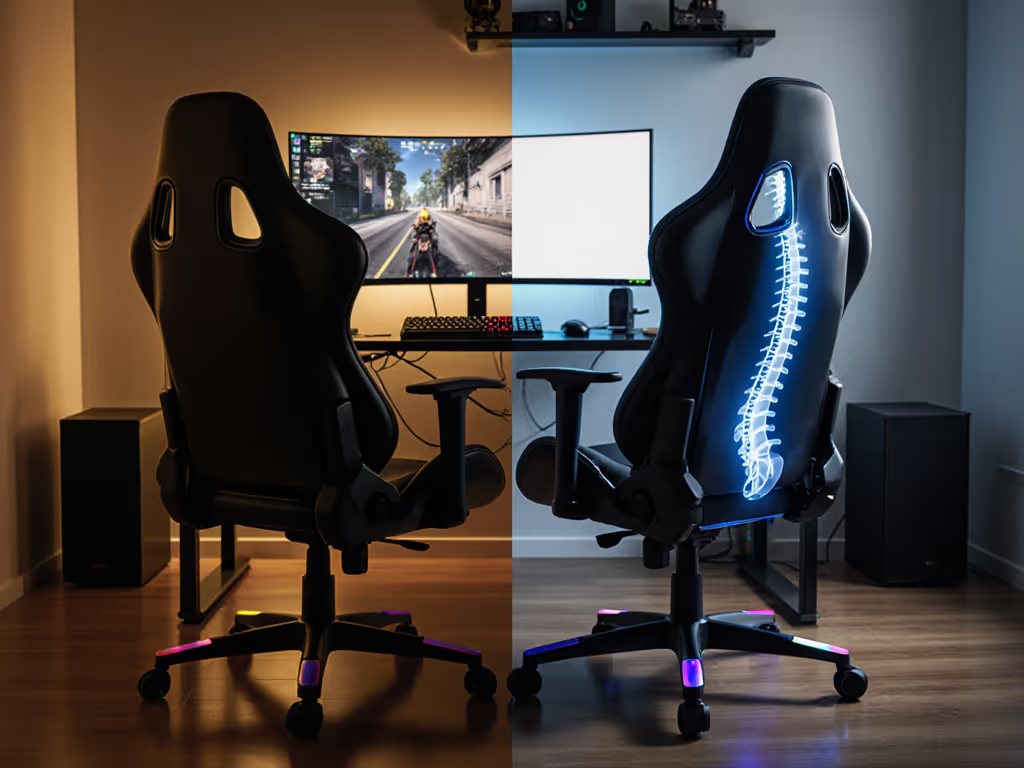
Use evidence-backed setup cues and time-based micro-adjustments - correct lumbar height/depth, hips above knees, and a 100–120° recline - to keep the spine aligned during multi-hour sessions while reducing muscle fatigue and heat buildup. Step-by-step measurements and quick self-checks personalize fit and reveal chairs that won’t hold up past hour three.
Ergonomics, Setup & Health
Ergonomic Gaming Chair Boosts Reaction Time
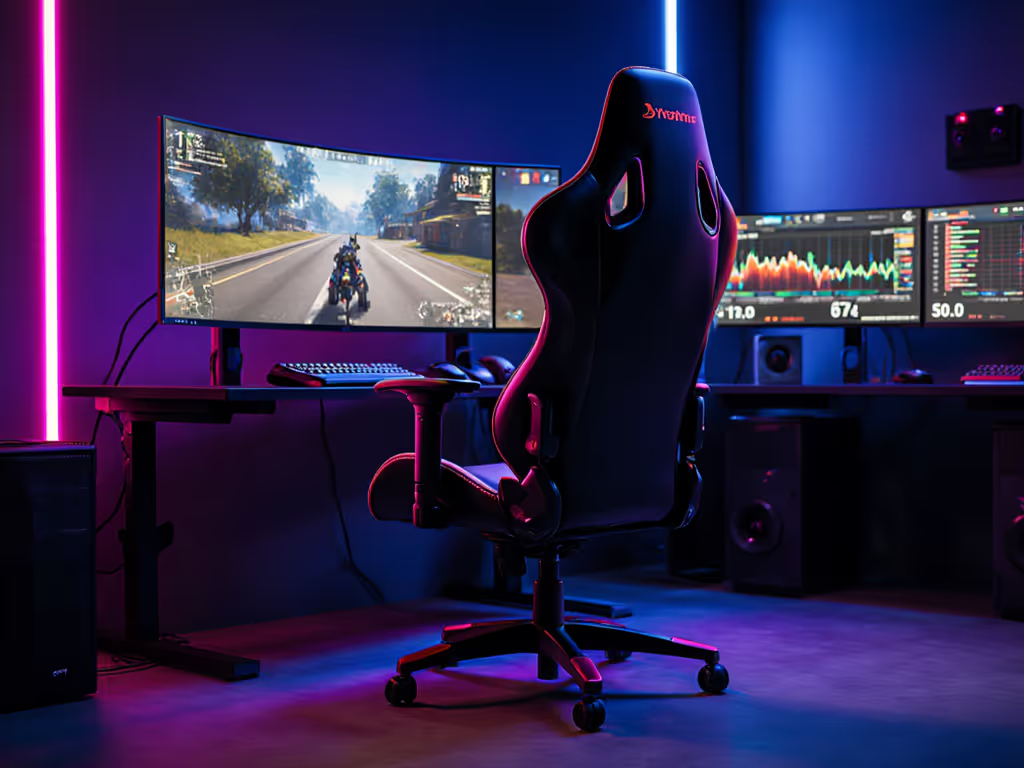
Optimize your gaming chair and desk in under 10 minutes to shave 12–18 ms off reaction time by stabilizing posture and eliminating pressure points. Follow a four-step tune-up with simple verification tests and a 90-second pre-game audit to sustain speed and consistency in long sessions.